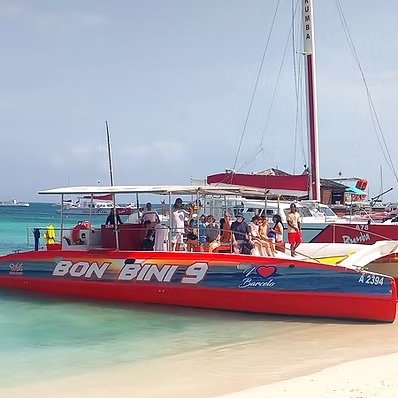
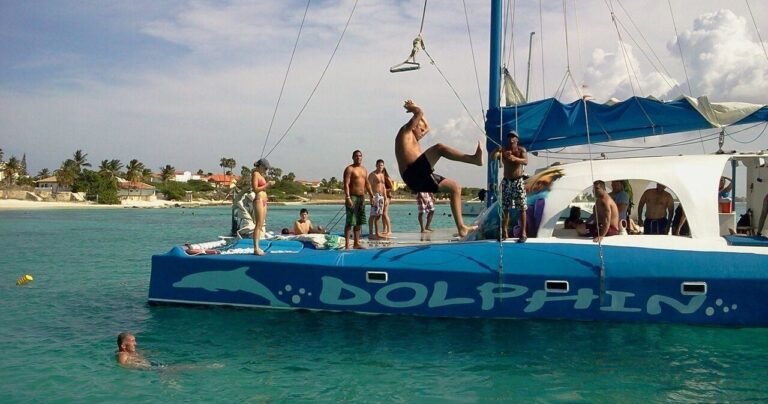
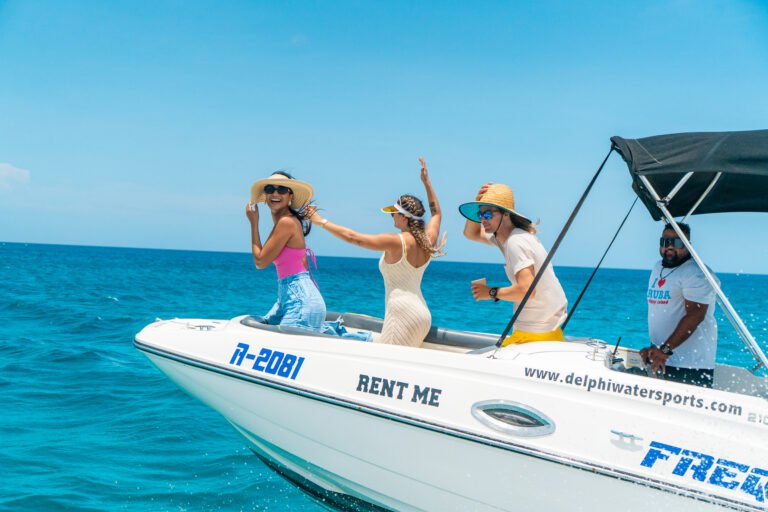
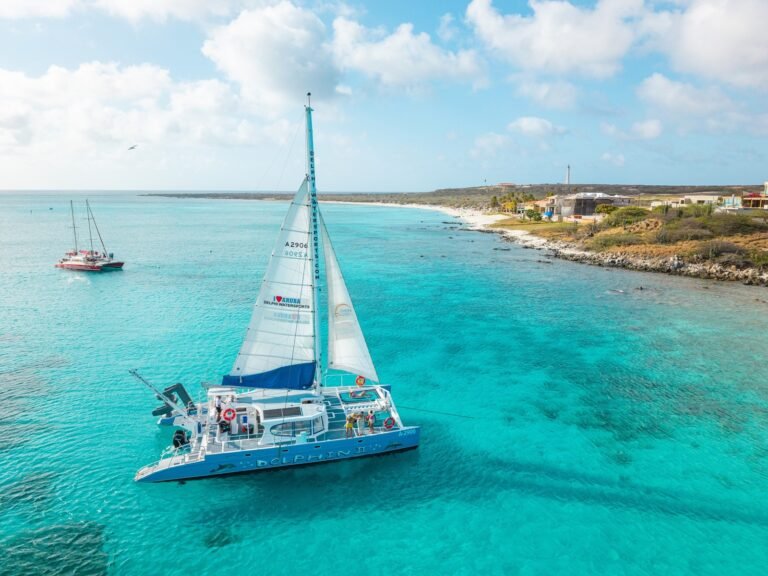
Snorkeling for non-swimmers is more common than you might think. With a flotation vest, calm water and a little practice, you can float face-down and watch the reef. Aruba is a great place to try, because its west and south coasts are calm and clear. Here is how to do it safely. Can you snorkel […]
Turtle snorkels, catamarans, private boats, sunset sails and island tours. Book in the pop-up, or open the full tour page.
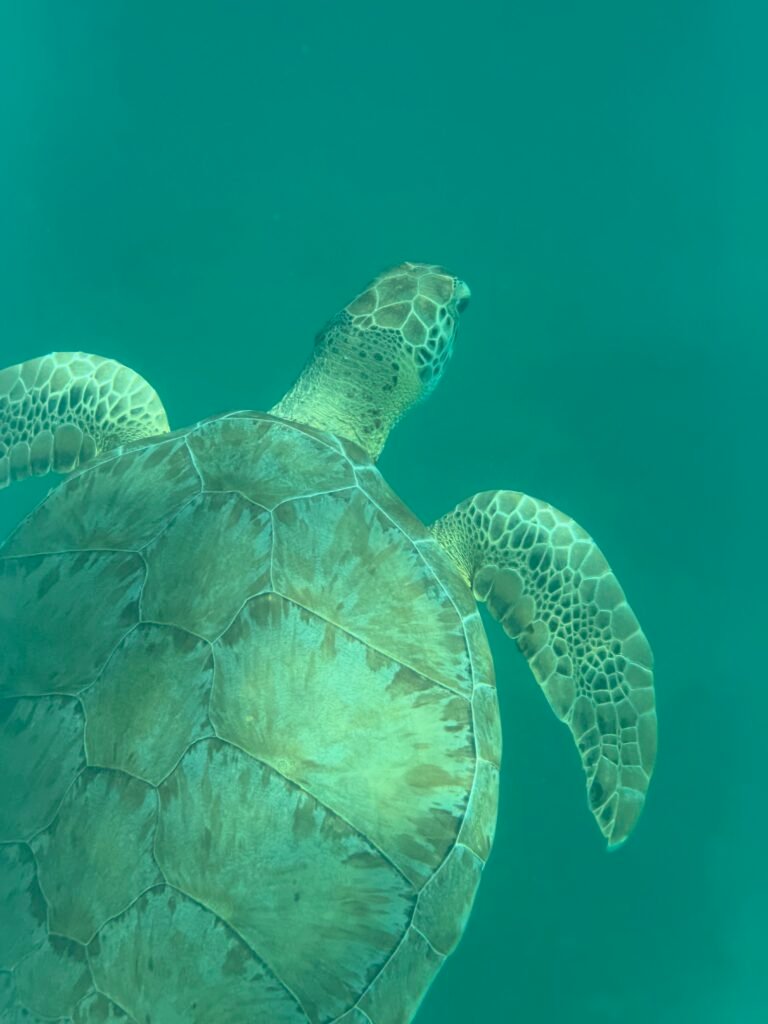
Malmok · 2-hour guided snorkel · look for sea turtles · gear included
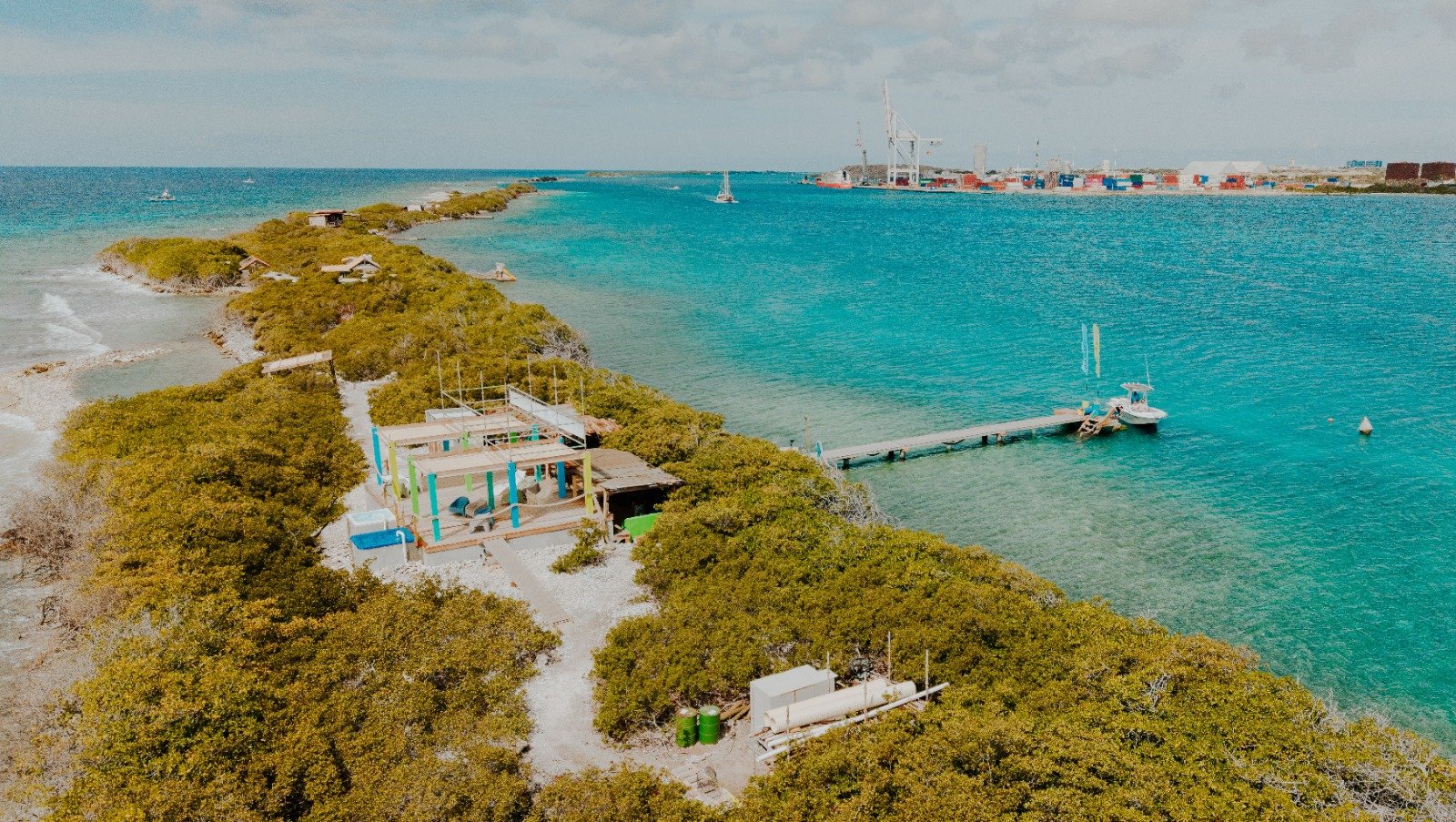
7 hours, private · $1,250 for 5, +$200 a guest to 12 · lunch, snorkel gear & Salty Water Jacuzzi
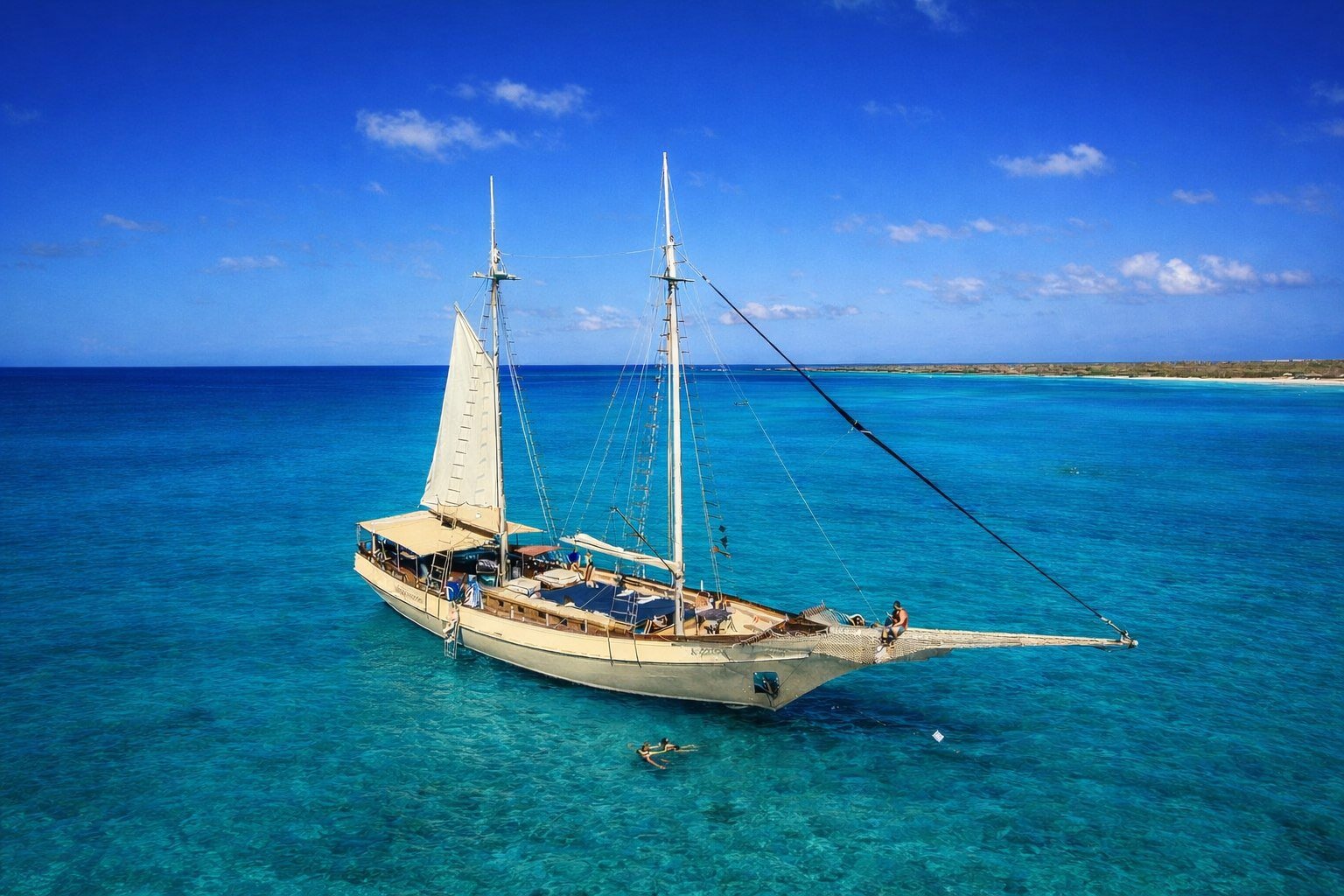
A 110-foot schooner out of Palm Beach: the calm 10:15 AM sail to Boca Catalina and Malmok, or the 3:15 PM party sail with the Antilla wreck, rope swing and open bar.
3 hours · wreck & reef · open bar, lunch
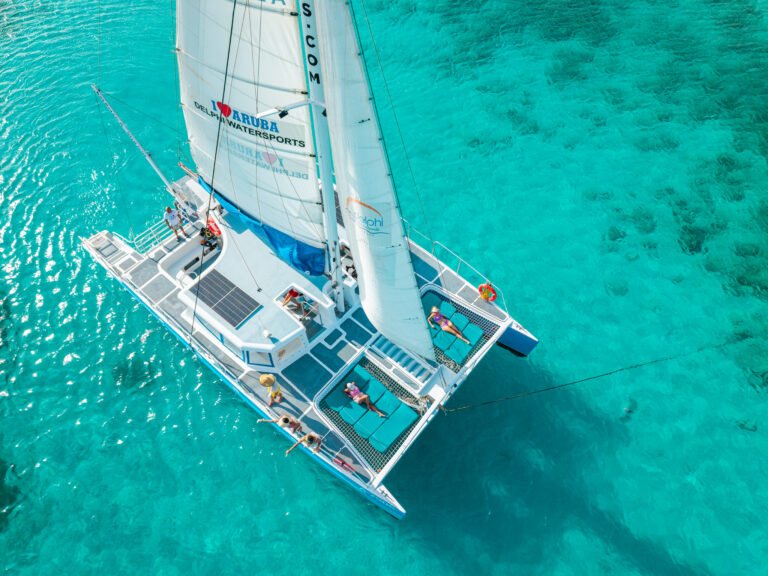
Three hours off Palm Beach — morning, afternoon or sunset at $70 an adult and $45 a child, or the whole boat to yourselves for $2,100.
3 to 8 hours · up to 42 · 2 snorkel stops, open bar
1 to 7 hours · up to 6 · snorkel from 2 hours
3 hours · whole catamaran · up to 60 people
Snorkeling for non-swimmers is more common than you might think. With a flotation vest, calm water and a little practice, you can float face-down and watch the reef. Aruba is a great place to try, because its west and south coasts are calm and clear. Here is how to do it safely.
Yes, with the right setup. A snorkel vest or life jacket keeps you floating at the surface. You simply lie face-down and breathe through the snorkel. However, you should never snorkel alone, and you should start where you can stand up. In other words, the place matters as much as the gear.
Baby Beach is the top choice. It is a lagoon behind a natural coral barrier, with almost no current. Most of it is standable, from 0.5 to 1.5 m in the inner zone. As a result, you can stop and stand whenever you want. Even here, never go outside the barrier.
Arashi Beach has a wide, sandy, gradual entry. You can walk in slowly and float close to shore. It is best on calm mornings.
Boca Catalina has a sandy center entry and turtles in the shallows. However, it gets deeper quickly, so wear a vest and stay close to shore.
Full-face masks are popular, but be careful. Some designs can build up carbon dioxide, and they are hard to clear if water gets in. Therefore, many guides prefer a classic mask and snorkel. See our snorkeling gear guide.
For non-swimmers, a guided trip is often the best option. Crews provide flotation, show you how to breathe and stay close in the water. In addition, many catamarans have ladders and floating lines to hold. Tell the crew you cannot swim when you board. Browse the snorkel tours at the top of this page, with our own direct tours listed first.
Read more in our snorkeling safety guide and our snorkeling for beginners in Aruba guide.
Yes, on many tours. Crews usually provide flotation vests. Tell them you cannot swim before you get in.
Baby Beach, because it is a shallow, calm lagoon where you can stand up.
Some guides advise against them, because they are hard to clear and can trap carbon dioxide. A classic mask and snorkel with a vest is safer.
They help, but they are optional in shallow water. A vest matters more.
Water safety advice: American Red Cross — water safety.
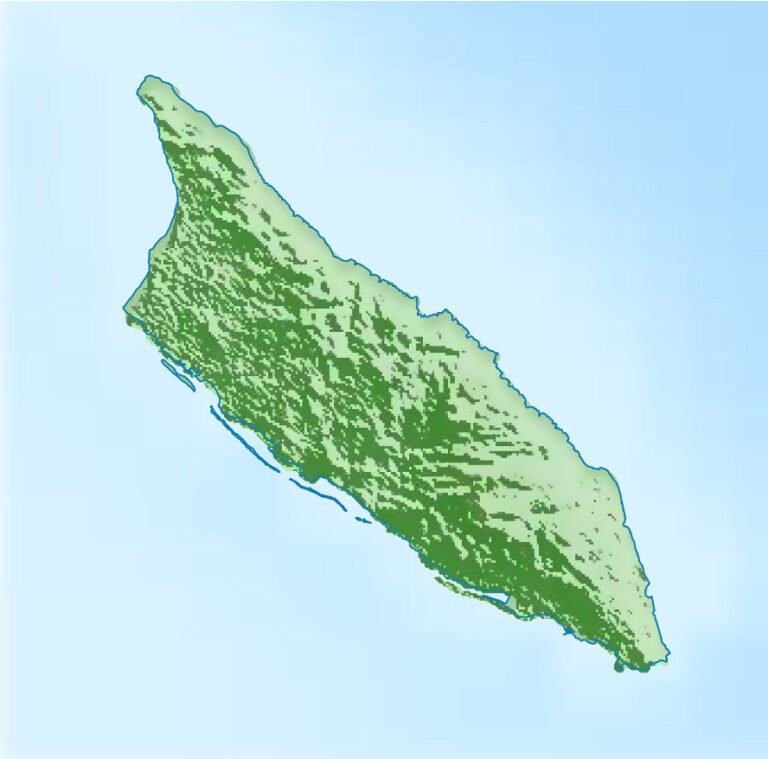
This Aruba snorkeling map lists every major snorkel spot on the island, from the north tip to the far south. Each entry has GPS…
Read →
Free snorkeling in Aruba is easy, because every beach on the island is public. You do not need a ticket or a tour to…
Read →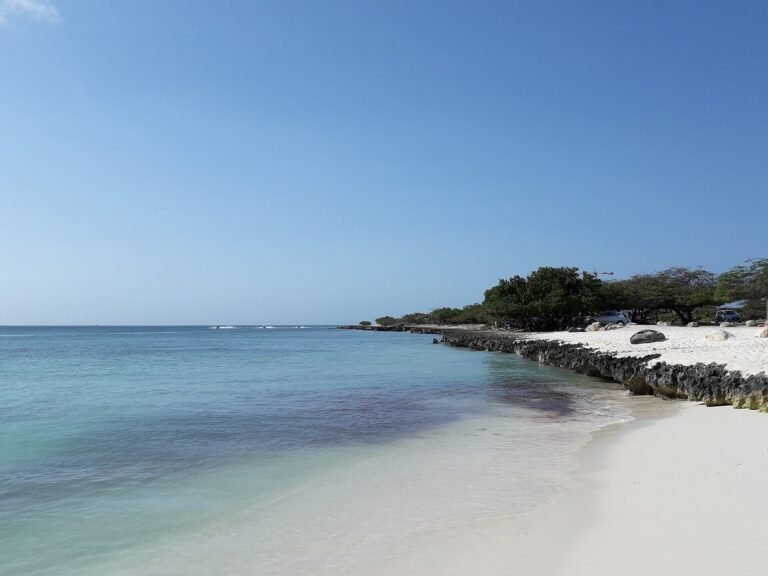
Snorkeling Eagle Beach and Palm Beach is possible, and the water is calm and clear. However, these are swimming beaches with a mostly sandy…
Read →Top-rated tours from other Aruba operators, booked on Viator. Pick a type of tour.
★ 4.8 (2,695)
★ 4.5 (2,434)
★ 4.7 (2,249)
★ 4.7 (1,917)
★ 4.7 (1,658)
★ 4.7 (1,634)
★ 4.1 (1,487)
★ 4.6 (1,343)
★ 4.9 (1,283)
Every spot on the island with the honest version: where to park, where to get in, what you will actually see, and the mornings worth setting an alarm for.
 ArubaSnorkel