Southern stingrays rest on the sand off Aruba’s beaches. Where snorkelers see them and the one habit that keeps you safe.
Turtle snorkels, catamarans, private boats, sunset sails and island tours. Book in the pop-up, or open the full tour page.
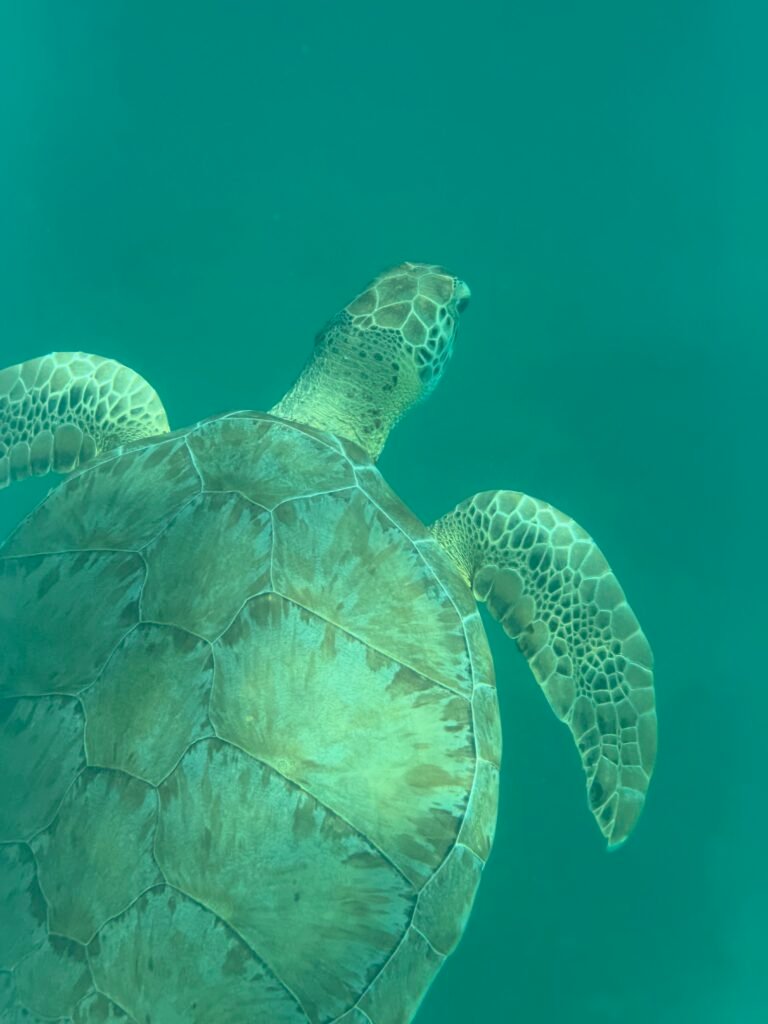
Malmok · 2-hour guided snorkel · look for sea turtles · gear included
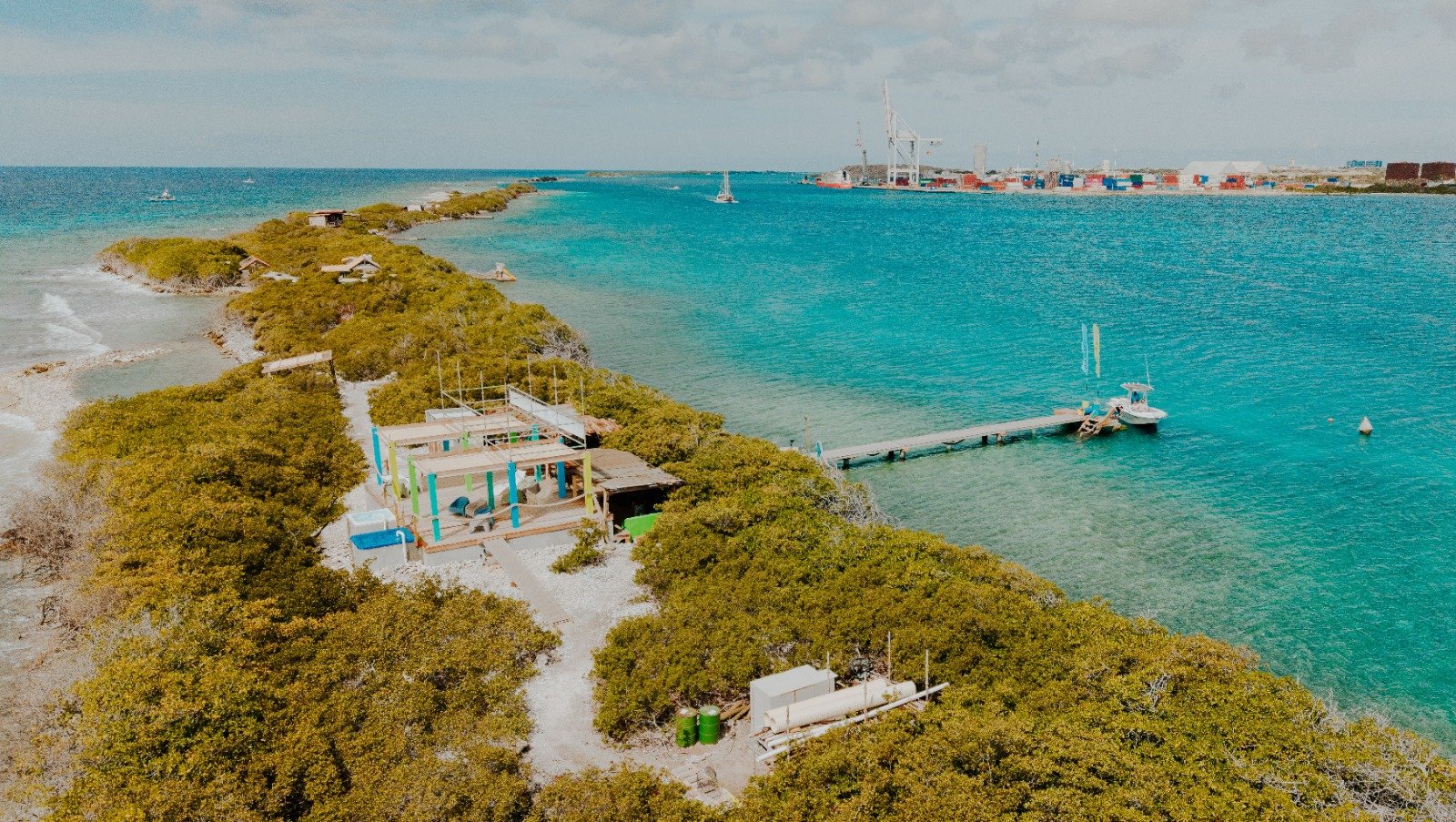
7 hours, private · $1,250 for 5, +$200 a guest to 12 · lunch, snorkel gear & Salty Water Jacuzzi
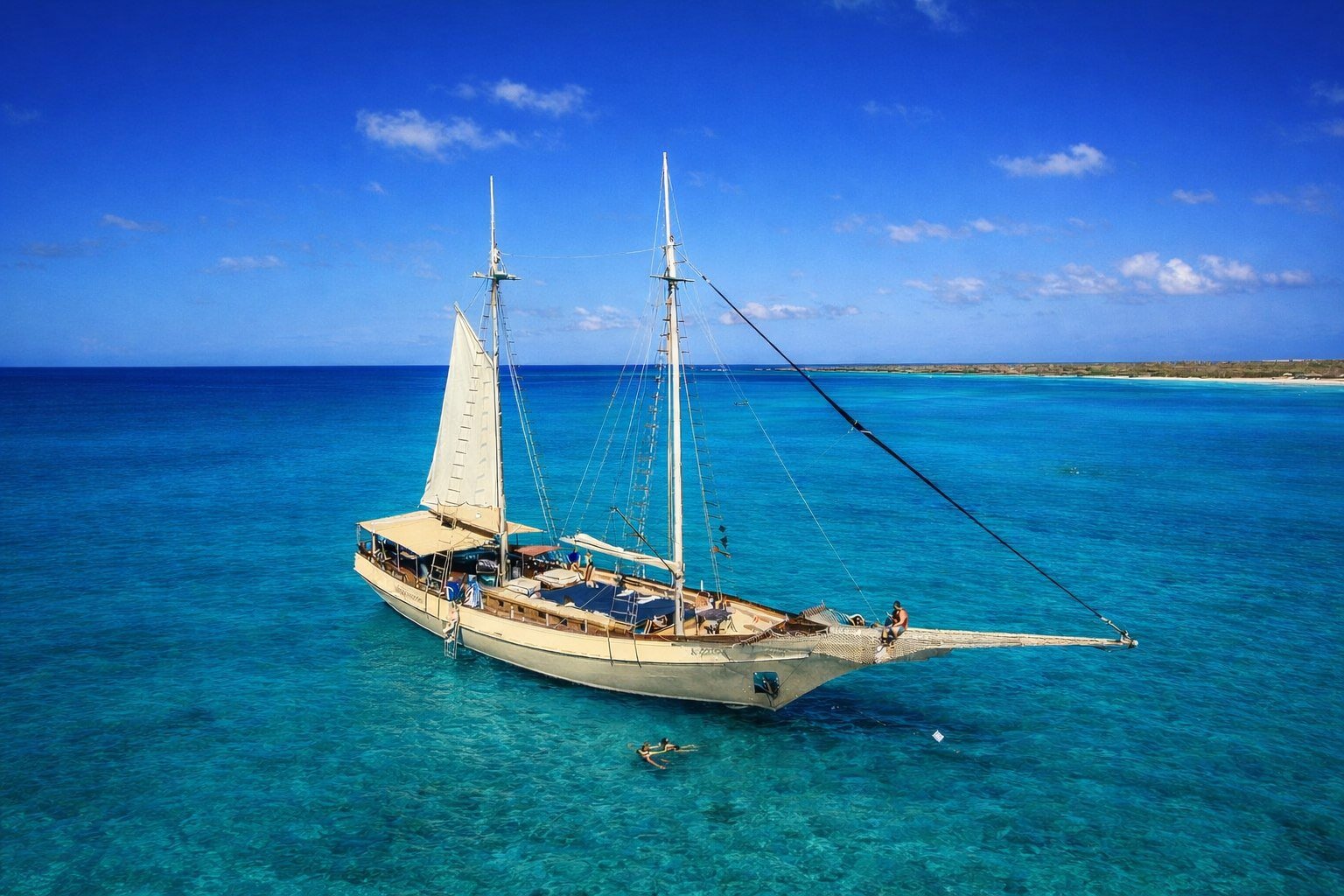
A 110-foot schooner out of Palm Beach: the calm 10:15 AM sail to Boca Catalina and Malmok, or the 3:15 PM party sail with the Antilla wreck, rope swing and open bar.
3 hours · wreck & reef · open bar, lunch
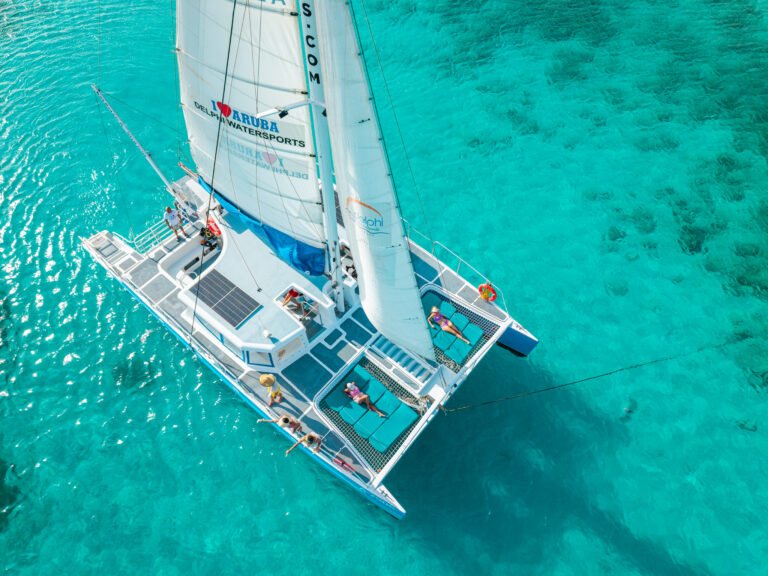
Three hours off Palm Beach — morning, afternoon or sunset at $70 an adult and $45 a child, or the whole boat to yourselves for $2,100.
3 to 8 hours · up to 42 · 2 snorkel stops, open bar
1 to 7 hours · up to 6 · snorkel from 2 hours
3 hours · whole catamaran · up to 60 people
The southern stingray is a flat, diamond-shaped ray that rests on the sand in Aruba’s shallows. It often buries itself, so only the eyes show.
Southern stingrays are grey to brown on top and white underneath. They have a long tail with a barb near the base. In contrast, the spotted eagle ray is darker, covered in white spots, and swims in open water rather than lying on the bottom.
Baby Beach has them in its mid-lagoon sand patches. You also see them on the outer edge at Boca Catalina and at Mangel Halto, usually at 4 to 6 metres.
Stingrays are not aggressive, but they defend themselves if stepped on. So when you walk in shallow sandy water, shuffle your feet instead of stepping. The vibration warns them, and they glide away. Once you are floating, simply keep your distance.
Compare it with its cousin on our spotted eagle ray page, or see the full Aruba fish guide. More on the species is in the Florida Museum fish profiles.
Only if it feels trapped or is stepped on. The stingray shuffle prevents almost every case.
Clams, worms, shrimp and small fish that it digs out of the sand. As a result, you often see it with a cloud of sand around it.
Get out of the water and seek medical help. Hot water is commonly used to ease the pain, but a doctor should check the wound.
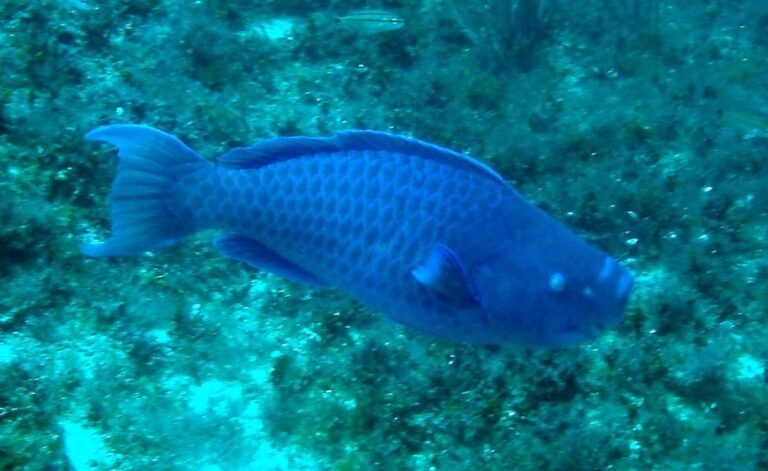
Parrotfish are the big, bright fish crunching coral on Aruba’s reefs. What they do, where to see the biggest ones, and why they matter.
Read →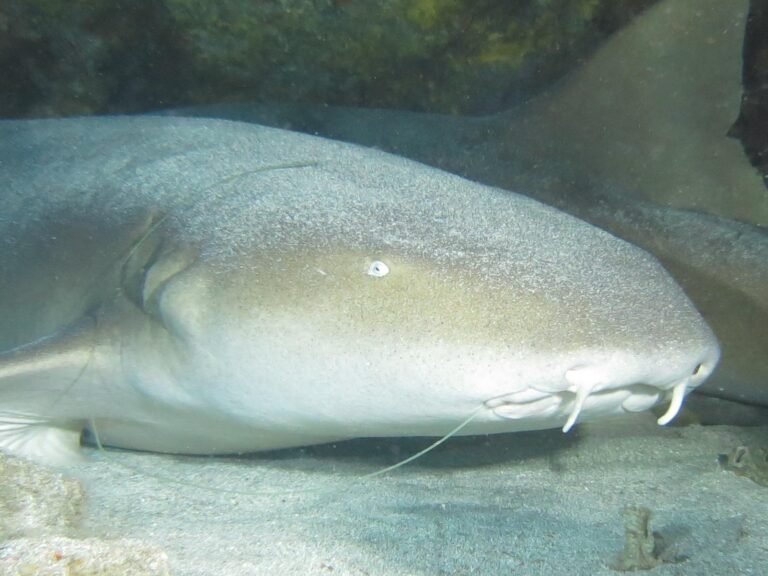
Nurse sharks rest on the sand off Aruba by day. Where to see them from shore, and how to snorkel near them safely.
Read →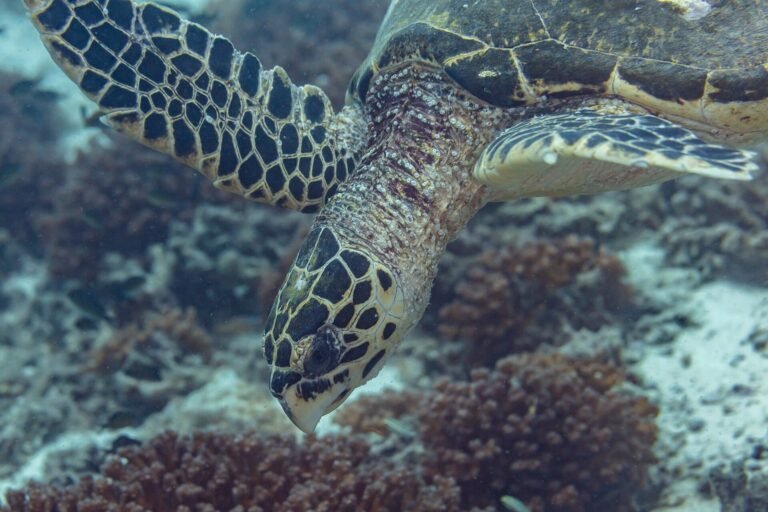
Hawksbill turtles feed on the sponges off Aruba’s north coast. How to recognise them and where snorkelers see them.
Read →Top-rated tours from other Aruba operators, booked on Viator. Pick a type of tour.
★ 4.8 (2,693)
★ 4.5 (2,426)
★ 4.7 (2,247)
★ 4.7 (1,906)
★ 4.7 (1,653)
★ 4.7 (1,623)
★ 4.1 (1,486)
★ 4.6 (1,339)
★ 4.9 (1,279)
Every spot on the island with the honest version: where to park, where to get in, what you will actually see, and the mornings worth setting an alarm for.
 ArubaSnorkel