Aruba Snorkeling Safety Tips
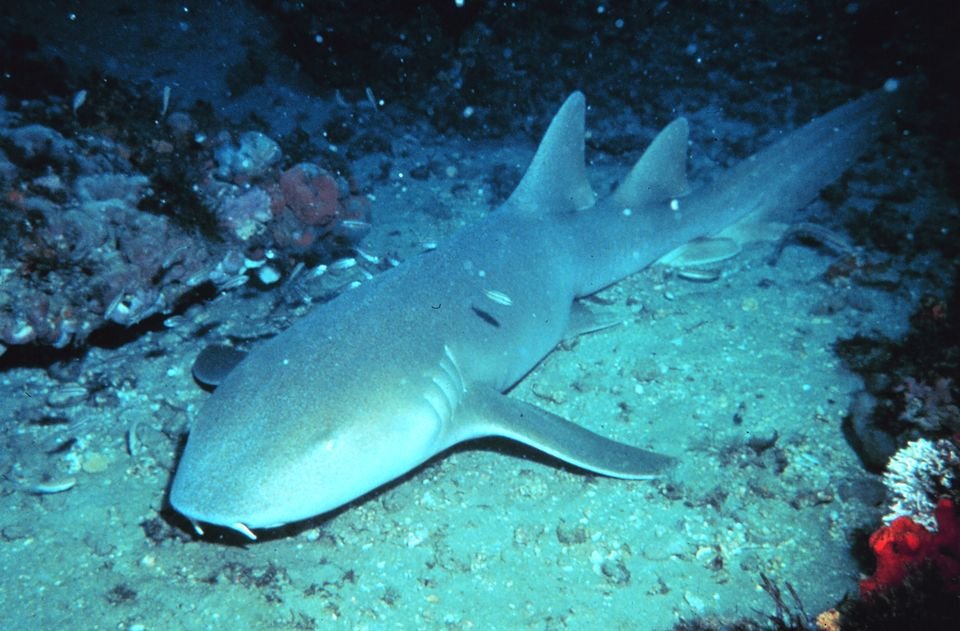
Aruba is one of the safest snorkeling destinations in the Caribbean -- calm water, minimal current, and no dangerous large marine life at the main sites. But preparation and awareness still matter. These safety tips apply to all six shore snorkel spots.
Always Use the Buddy System
Never snorkel alone. Always have at least one companion in the water with you. A buddy can signal for help if you get into difficulty, assist with equipment problems, and spot marine life you might miss. Inform someone on shore of your intended snorkel site and expected return time before entering the water.
Know Your Limits
Choose sites that match your swimming ability. Baby Beach and Boca Catalina for beginners and weaker swimmers. Mangel Halto and Arashi for confident swimmers. Tres Trapi and Malmok for experienced open-water swimmers only. Never push into conditions beyond your ability -- even calm sites can change in the afternoon when trade winds build.
Snorkel in the Morning
Morning snorkeling in Aruba is safer than afternoon. The trade winds that build from noon onwards increase surface chop, reduce visibility and make re-entry from rocky sites like Tres Trapi more challenging. At 7-9 AM conditions are almost universally calm across all six sites. This is also when marine life is most active.
Marine Hazards to Know
Fire coral causes painful burning stings on contact -- it appears yellow-brown and resembles coral encrusting rocks and reef surfaces. Never touch anything on the reef. Sea urchins have sharp spines -- look carefully before placing hands near rocky surfaces. Stingrays occasionally bury in shallow sandy areas -- shuffle your feet when walking rather than stepping. Lion fish (invasive) have venomous spines -- admire but never touch.
Sun and Heat Safety
Caribbean sun is intense year-round. Apply reef-safe mineral sunscreen 30 minutes before entering water and reapply every 2 hours. Wear a rash guard or wetsuit to protect your back from sunburn while floating face-down -- the most commonly sunburned area for snorkelers. Stay hydrated -- bring at least 1 litre of water per person per snorkel session. Most sites have no shade.
Entry and Exit Safety
At rocky entry sites (Tres Trapi, Malmok, Arashi): watch the water movement for 1-2 minutes before entering to understand the surge pattern. Enter and exit feet-first on rocky surfaces. At sandy sites (Baby Beach, Boca Catalina): straightforward -- wade in gradually. At Mangel Halto: use the sandy entry on the left side of the bay for easier conditions.