Aruba Snorkeling Visibility Guide
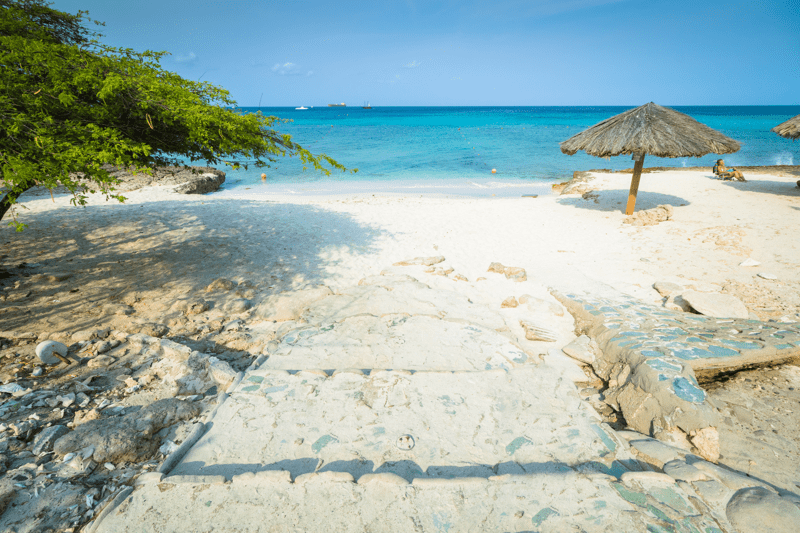
Aruba has some of the clearest snorkeling water in the Caribbean. Peak visibility of 20-25 metres is common at top sites from December through April. Understanding what affects visibility -- and how to choose the best days -- makes a significant difference to your experience.
Visibility by Month
December through April (dry season): 18-25 metres at all major sites. This is peak visibility season -- trade winds keep the water clean and runoff is minimal. May through September (shoulder season): 14-20 metres, still excellent for snorkeling. October through November (rainy season): 10-15 metres, occasionally dropping after heavy rain events. Visibility recovers within 24-48 hours after rain stops.
Visibility by Site
Tres Trapi: 22-25m peak, excellent year-round. Mangel Halto: 18-25m peak, can drop temporarily after rain due to mangrove drainage. Malmok: 20-24m peak, excellent in dry season. Boca Catalina: 15-22m, slightly lower due to seagrass particulates. Arashi Beach: 18-23m. Baby Beach lagoon: 8-15m inside the lagoon, 15-20m at outer reef -- enclosed lagoon limits water exchange.
What Affects Visibility
Rain: heavy showers cause runoff carrying sediment and tannins from mangroves, particularly affecting Mangel Halto. Recovery time is 12-48 hours. Afternoon trade winds: build from noon, creating surface chop and stirring fine sand at sandy-bottom sites. Boat traffic: propellers disturb sediment at popular sites -- arrive before tour boats at 10 AM. Seasonal algae: October-November can bring mild algal blooms reducing clarity to 10-12m.
Best Conditions for Maximum Visibility
Visit between 7 and 9 AM before trade winds build. Choose days following 2-3 nights of calm weather without rain. Sites facing west and northwest (Arashi, Malmok, Boca Catalina) benefit from prevailing trade winds keeping the water clean. Sites with mangrove drainage (Mangel Halto) can be temporarily murky after rain but recover quickly.
How to Check Conditions
Check Windguru or Windfinder for Aruba wind speed -- below 15 knots means good surface conditions. Check rain history for the previous 24 hours -- clear conditions after a rain-free night give the best visibility. Arrive early regardless -- morning always beats afternoon for visibility across all Aruba sites.