Best Time to Snorkel Malmok Beach, Aruba
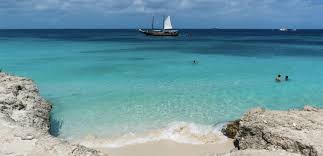
Malmok Beach sits directly above Aruba's most famous dive site: the Antilla shipwreck. Experienced snorkelers can see sections of this massive German freighter from the surface on clear mornings. The timing of your visit is critical at this northwest-coast site.
Peak Season: December Through April
The dry-season trade winds create minimal swell on Aruba's west coast. Visibility at Malmok exceeds 20 metres during these months, and the shallow Antilla sections (5-8 metres depth) are visible from the surface. Water temperature sits at 26-27°C -- ideal for extended snorkeling sessions.
Morning vs Afternoon: A Critical Distinction
At Malmok the time of day matters more than at sheltered spots. By early afternoon, the wind picks up along Aruba's northwest coast, building chop that reduces visibility. Morning sessions -- 7:00 AM to 11:00 AM -- offer the calmest conditions, best light and peak eagle ray activity.
Malmok Conditions by Season
| Season | Visibility | Temp | Rating |
|---|---|---|---|
| Dec-Apr | 20-25m | 26°C | 5/5 |
| May-Jun | 15-20m | 28°C | 4/5 |
| Jul-Nov | 10-18m | 29°C | 3/5 |
The Antilla Snorkel Sections
The main Antilla wreck lies in 18-27 metres -- too deep for snorkeling. However, the northern sections rise to 5-8 metres, making them accessible to confident snorkelers. From above you can see massive steel hull plates encrusted with orange cup corals, with large schools of bar jacks circling overhead.
Eagle Rays at Malmok
Malmok sits within an established eagle ray corridor on Aruba's northwest coast. Rays are spotted here almost daily during December-April in the early morning (7-9 AM). Groups of four to eight rays are not unusual.
Frequently Asked Questions
The main wreck is 18-27 metres deep, but northern sections lie in 5-8 metres. On calm, clear mornings experienced snorkelers can see these sections from the surface.
Arrive between 7-11 AM during the December-April dry season. Afternoon wind builds surface chop that reduces visibility and makes snorkeling less comfortable.
Yes. Malmok lies along an established eagle ray corridor. Sightings are common December-April in the early morning, often in groups of four to eight animals.
Malmok has a gradual sandy entry but the open-water location means more swell exposure. Beginners should try it only on very calm mornings during the dry season.
Malmok and Arashi Beach are adjacent -- less than 1 kilometre apart along the northwest coast. Many snorkelers combine both sites into a single morning outing.