Is Malmok Beach Good for Snorkeling?
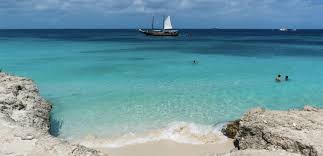
Malmok Beach offers something no other Aruba snorkel spot can match: access to sections of the Antilla -- one of the largest shipwrecks in the world -- from the surface. Combined with an established eagle ray corridor and clear blue water, Malmok is outstanding for intermediate and experienced snorkelers.
What Makes Malmok Stand Out
The Antilla is a 122-metre German freighter scuttled in 1940. The wreck's northernmost sections rise to 5-8 metres in depth. On calm mornings with 20+ metre visibility, experienced snorkelers can free-dive to these sections or see them clearly from the surface. Even without free-diving, the massive silhouette of the wreck visible below creates a dramatic and unique experience.
Eagle Rays: Malmok's Other Attraction
Malmok sits along a natural eagle ray migration corridor on Aruba's northwest coast. The rays move through open water -- often in larger groups of four to ten animals. Sightings are most reliable 7-9 AM during December-April.
Difficulty: Intermediate | Depth: 3-12m | Visibility: 20-25m (dry season AM) | Best time: 7-11 AM mornings only | Entry fee: Free
When Malmok Disappoints
On days when the northwest wind builds -- particularly during summer afternoons -- Malmok develops surface chop and reduced visibility. If conditions are rough, Baby Beach or Boca Catalina are better alternatives. Always visit in the morning.
Frequently Asked Questions
Yes. The northern sections of the Antilla rise to 5-8 metres and are visible from the surface on calm, clear mornings. Experienced free-divers can swim down to the hull.
Malmok is suitable for confident beginners on calm dry-season mornings only. The open-water location means more swell exposure than sheltered spots. Absolute beginners should try Mangel Halto first.
Malmok is on Aruba's northwest coast, approximately 6 km north of Palm Beach and adjacent to Arashi Beach. The drive from most hotels takes 12-15 minutes.
Eagle rays, schooling bar jacks over the wreck sections, large parrotfish, French angelfish, moray eels, lobsters, and abundant reef fish. The wreck sections host orange cup corals and crinoids.