Night Snorkeling in Aruba
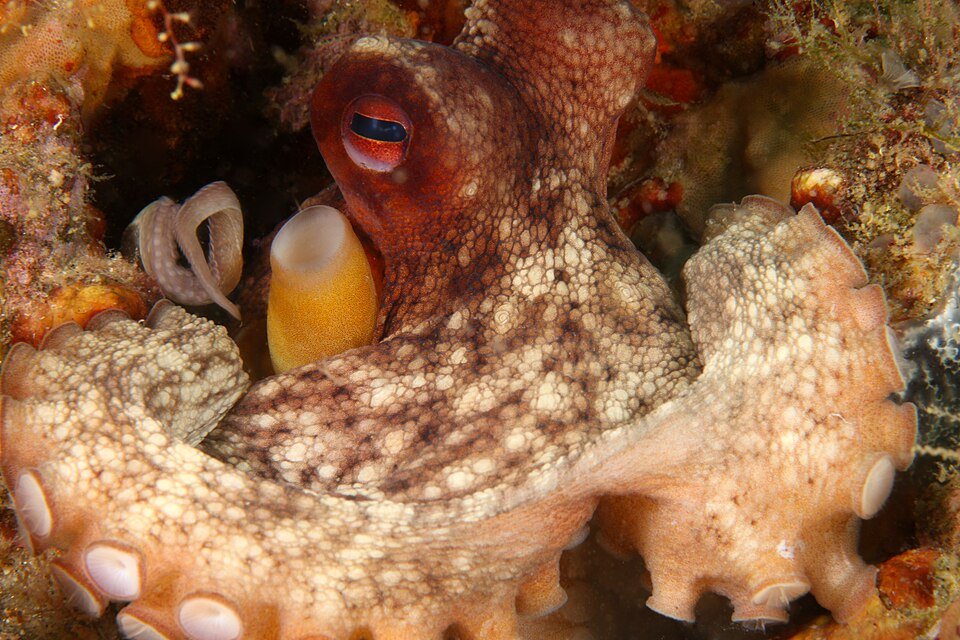
Aruba's reefs transform completely after dark. The marine life you see during the day retreats and an entirely different cast of nocturnal creatures emerges -- octopus, moray eels, nurse sharks, Spanish lobster and sleeping parrotfish wrapped in mucus cocoons. Night snorkeling in Aruba is an unforgettable experience.
What You Will See Night Snorkeling
Octopus are the star attraction -- they hunt actively at night and are easily spotted by torchlight, changing colour as you watch. Moray eels emerge fully from their crevices to hunt in the open water. Nurse sharks cruise the sandy bottom between reef sections. Spanish lobster and arrow crabs appear from under coral heads. Parrotfish sleep in transparent mucus cocoons attached to the reef -- a bizarre and beautiful sight. Colours appear more vivid under torchlight than in ambient daylight.
Best Spots for Night Snorkeling
Baby Beach is the safest night snorkeling option -- the enclosed lagoon has no boat traffic, calm water and shallow depths you already know from daytime visits. Boca Catalina is used by several guided tour operators for night sessions. The Antilla wreck area is spectacular but requires a guided boat tour at night. Mangel Halto is less suitable for independent night snorkeling due to the unmarked approach road.
Essential Night Snorkeling Equipment
A waterproof primary dive torch (minimum 500 lumens) is non-negotiable. Carry a backup smaller light. Red lights preserve night vision better than white and disturb marine life less. Clip a glow stick to your snorkel so you are visible from the surface. A wetsuit or rash guard keeps you warm -- water temperatures feel cooler at night even at 27°C.
Guided Night Snorkel Tours
Several Palm Beach operators run guided night snorkel sessions departing at 7-8 PM. Tours typically cost $45-70 per person, include all equipment including torches, and have guides in the water with you. This is the recommended approach for first-time night snorkelers -- guides know the sites, handle logistics and know where to find the best nocturnal wildlife.
Safety for Night Snorkeling
Never night snorkel alone -- always use the buddy system. Stick to sites you have snorkeled during the day so you know the layout. Carry two lights minimum. Avoid areas with boat traffic. Establish a clear signal system with your buddy before entering the water. Wear something bright or reflective. Tell someone on shore your expected return time.
Best Time to Go
Night snorkeling is best in the dry season (December through April) when trade winds die down after sunset and the water is calm. Start at 7 PM -- early enough to catch the transition from day to night marine activity. Avoid nights with heavy cloud cover as moonlight helps orientation.