Three Steps (Tres Trapi) Snorkeling Aruba
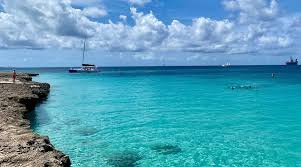
Tres Trapi -- Three Steps -- is Aruba's best kept snorkeling secret. A set of three concrete steps cut into the rocky north coast limestone gives direct access to a pristine reef with nurse sharks, dense moray eels, large parrotfish and 22-25 metre visibility. No tour boats come here. Almost no tourists know about it.
What Does Tres Trapi Mean?
Tres Trapi means three steps in Papiamento, Aruba's native language. The site takes its name from three concrete steps carved into the rocky limestone shoreline that provide the only access point to the reef. The steps descend directly into waist-deep water at the reef edge -- enter feet first and you are immediately over living coral.
Marine Life at Tres Trapi
The reef at Tres Trapi is the least disturbed of all six Aruba snorkel sites. Large parrotfish -- including terminal-phase male stoplight parrotfish with vivid blue-green colouring -- are abundant. Moray eels occupy virtually every crevice in the reef from 1 metre to 8 metres depth. Nurse sharks rest under coral overhangs in the deeper 6-8 metre sections. Dense schooling fish cloud around every coral head. Occasional sea turtles pass through.
Who Tres Trapi Is Suitable For
Tres Trapi is for intermediate to experienced snorkelers only. You need: confident open-water swimming ability, comfort entering and exiting from rocky surfaces with occasional surge, and ideally some experience with breath-hold diving to reach the best nurse shark sections at 6-8 metres. The lack of a sandy entry or shallow stand-up area means beginners should choose Baby Beach or Boca Catalina instead.
How to Enter and Exit Safely
Watch the water at the steps for 60-90 seconds before entering to understand the surge pattern. When a surge recedes, descend the steps quickly and push off into the water. To exit: wait at the bottom step for a surge to lift you, then step up quickly. The entry is straightforward in calm morning conditions -- less so in afternoon chop. Always bring fins with open-heel buckles for easier step entry and exit.
Best Time to Visit Tres Trapi
Sunrise (6:15-6:45 AM) is the ideal time. You will have the reef entirely to yourself -- Tres Trapi rarely has more than 2-3 snorkelers even in peak season. Morning light enters the water at a low angle creating dramatic visibility through the reef. Fish are most active feeding in the first two hours of daylight. Afternoon visits are possible in calm conditions but the northwest-facing coast builds chop from noon onwards.
Location and Getting There
Tres Trapi is on the northwest coast of Aruba between Malmok and Arashi Beach, approximately 15 minutes drive north from Palm Beach hotels. GPS: approximately 12.5789° N, 70.0497° W. Small roadside parking for 8-10 cars. No facilities whatsoever -- bring everything you need. The site is marked by a small sign and the steps are visible from the road at low tide.